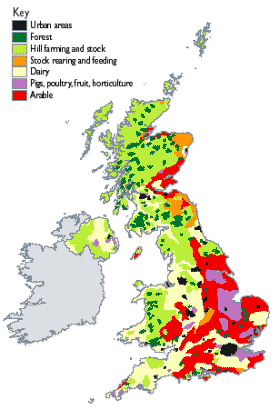
Plants native to the British Isles include Alder, Ash, Aspen, Beech, Birch , Cherry, Chestnut, Elm, Hazel, Maple and Willow. Roses. England is home to hundreds of flowers, such as sweet smelling roses with scent especially strong in the rain. Since 11th century hay meadows become commonplace, creating the abundance of flowers and grasses.
In the Springtime the flowers as well as allergies come.
 15 to 20% of the population in UK is affected by seasonal allergies, mainly related to grass pollen. It can affect ability to drive, work and study, so it should not be ignored. Mold allergies could trigger asthma - Didymelia, for example, is highest during harvesting of wheat and barley. Alternaria, Cladosporium, Aspergillus, Penicillum and Sporobolomyce can be also detected.
Allergy forecasts can be found at many sites. Here is one of the best ones, supported by National Pollen and Astrobiology Research unit.
Another way to keep an eye on allergies is to listen to people - check for example, the respiratory allergies section of this UK forum.

Some of the things not included in this map are Cedar trees that flower from September to December
and Chenopodium (goosefoot) that flowers during late summer. Most notable fungal allergens include Alternaria, Didymella, Cladosporium, Aspergillus, Penicillium and Sporobolomyces.
Grass pollen map illustrates how seasonal allergies fluctuate on an annual basis.


