Thursday, April 23, 2026

Bluebirds, Caterpillars and the Cost of a Cold Snap

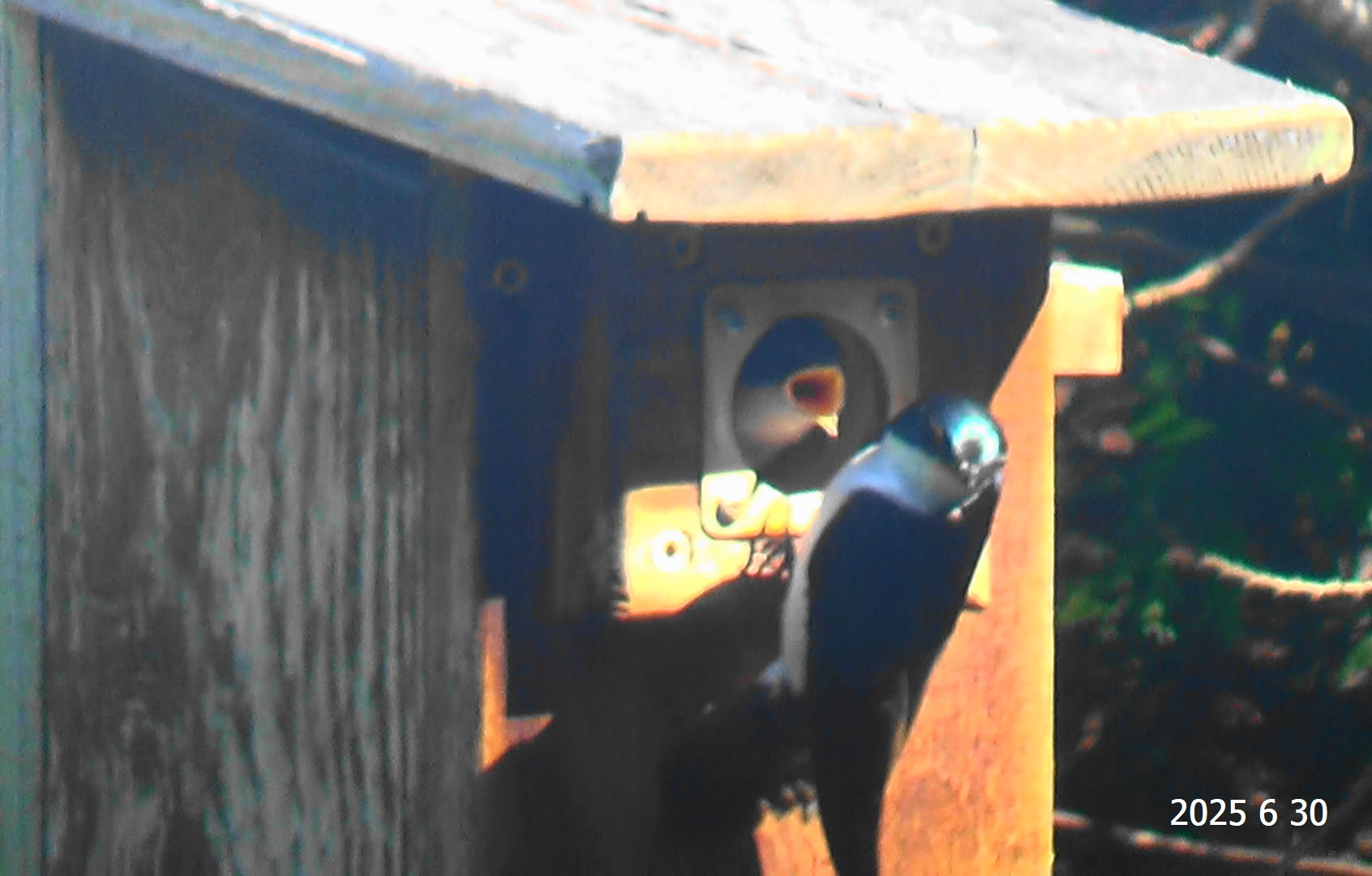
Early March gave us a gift, or so it seemed. Warm days, active birds, and that unmistakable feeling that spring had arrived ahead of schedule. Bluebirds did what they’ve evolved to do: they started nesting.

And then, on March 18th and 19th, temperatures dropped into the 20s.

What followed was sobering. Many nests failed. Eggs didn’t hatch. A season that began with promise turned into a lesson in timing, and how easily nature can fall out of sync.

But not everywhere.

At Kahite, there were bright spots. In Box 9, one pair managed to fledge three chicks by mid-April, even though two eggs never hatched. That raises an obvious question: why did some nests fail completely, while others partially succeeded?

A recent study offers an important clue.

Researchers in Delaware set up cameras at nest boxes and recorded more than 8,000 feeding visits. What they found was remarkably consistent.

About 40% of the diet was caterpillars. The rest was mostly grasshoppers, crickets, and spiders. This pattern held across seasons and between males and females.

In other words, bluebirds do not just eat insects. They depend heavily on one thing: caterpillars.

And for good reason.

Caterpillars are close to a perfect food for growing birds. They are soft, easy to digest, and packed with protein, fats, and key nutrients. They are especially rich in carotenoids, which support immune function and development. For nestlings, caterpillars are not just food. They are survival.

So what went wrong in March?

Here is the key connection.

Caterpillars do not appear randomly. They depend on the timing of leaf out on native plants and on stable spring temperatures.

When March warms early, trees leaf out and birds begin nesting. But if a hard freeze follows, insect activity, especially caterpillars, can stall or collapse. A short cold snap can damage new leaves and interrupt the development of the insects that depend on them.

That creates a problem before eggs even hatch.

During incubation, female bluebirds must keep eggs warm almost constantly. On cold nights, that becomes much harder. If food is scarce, she has to leave the nest more often to feed herself.

That combination can be enough to cause failure. Eggs cool too much. Embryos stop developing. Some, or all, never hatch.

A study of Pied Flycatchers in Spain documented a similar pattern. A brief cold snap was followed weeks later by widespread breeding failure, not because of direct cold exposure, but because the insect food supply had collapsed.

Box 9 is a good example of how small differences matter.

Three eggs hatched. Two did not.

That kind of partial success suggests slightly better protection from cold, better access to early season insects, or simply a stronger, better fed female able to remain on the nest longer. Sometimes a small edge is enough.

Native plants support more caterpillars. More caterpillars support better-fed females, more consistent incubation, and higher hatching success.

Disrupt one part, especially timing, and the effects ripple quickly.

Bluebirds can adjust how often they feed or what size prey they bring. But they do not easily replace caterpillars with something else. That dependence makes them vulnerable when spring does not behave the way it used to.


REFERENCES

Kennedy, A. C., D. L. Narango, D. W. Tallamy, K. Miles, C. R. Bartlett, and I. Stewart. 2026. Camera traps at nest boxes reveal consistent importance of Lepidoptera in Eastern Bluebird (Sialia sialis) nestling diets. Wilson Journal of Ornithology 1:1–18. https://doi.org/10.1080/15594491.2025.2605828

Coe BH, Beck ML, Chin SY, Jachowski CM, Hopkins WA. Local variation in weather conditions influences incubation behavior and temperature in a passerine bird. Journal of Avian Biology. 2015 Jul;46(4):385-94.

Juan Moreno, Sonia González-Braojos & Rafael Ruiz-de-Castañeda (2015) A spring cold snap is followed by an extreme reproductive failure event in a mountain population of Pied Flycatchers Ficedula hypoleuca , Bird Study, 62:4, 466-473, DOI: 10.1080/00063657.2015.1073680 https://doi.org/10.1080/00063657.2015.1073680

https://nestwatch.org/blog/to-support-nesting-eastern-bluebirds-plant-native/

Wednesday, April 1, 2026

When April Fools’ Jokes Become Sustainable Solutions

Every year, April Fools’ Day delivers a wave of absurd ideas, but some of those ideas reveal where innovation is actually heading. In a recent conversation with Dr. Irene Gabashvili, a compelling insight emerges: humor often reflects real societal needs, and what starts as a joke can evolve into a viable solution.

Take edible utensils - once a novelty, now a practical response to single-use plastic waste. Similarly, ideas like building-integrated wind turbines or converting food waste into fuel may sound playful at first, yet they align with real efforts to create decentralized, low-impact energy systems. Even nature-integrated designs - like moss-covered keyboards or biodegradable sneakers that plant seeds—point toward a future where products actively support ecosystems.

This year’s April Fools’ campaigns reinforce that pattern. Brands introduced concepts like edible delivery packaging, such as Bolt Food’s “SnackBag,” which imagines eliminating waste by making packaging consumable. Other campaigns leaned into AI-powered devices and speculative tech experiences, hinting at how deeply artificial intelligence could reshape how we interact with the world and manage resources.

While these ideas are presented humorously, they mirror serious trends: zero-waste materials, circular design, and smarter, more adaptive technologies. They also reflect a broader shift in thinking - one that embraces experimentation, even when it seems absurd.

Beyond products, the conversation also highlights a deeper sustainability challenge: education. Traditional models struggle to keep pace with rapid technological change. Dr. Gabashvili suggests that AI-driven, adaptive learning systems may offer a more sustainable path - equipping people with skills that evolve alongside the problems they aim to solve.

Ultimately, the takeaway is clear: April Fools’ jokes are more than entertainment. They are signals. In a world facing environmental challenges, playful, unconventional thinking may be exactly what drives meaningful innovation.

Wednesday, September 10, 2025

Restless Wings: A Glimpse from Whigg Meadow

As winter loosens its grip and autumn steals the green from the land, the birds heed a summons older than kingdoms, older than time’s own breath. 

In spring’s soft dawn, pairs slip into quiet corners of forest and meadow, weaving homes twig by twig to cradle new life. The young, fragile as spun glass, know only the warmth of watchful wings. Yet beneath that shelter, strength stirs, and soon they take to the branches, learning the secrets of sky and wind.

Autumn comes, and restlessness seizes them. Skinny and scrappy, they are already travelers, poised to leap into the unknown. Before their elders are ready, destiny hums in their veins, lifting them into the boundless sky. Though they have never flown south, though they know only the woods of their birth, a compass etched into their marrow draws them onward.

At Whigg Meadow, we saw three of these little souls - first-year girls, Magnolia and Tennessee Warblers, each a symbol of that restlessness the world so desperately needs. One was older, born of April’s early brood, her eyes bright with confidence. The other two were still delicate and thin, yet their bodies quivered with anticipation. Their journey was not just survival - it was pilgrimage.

Youth is often said to be wasted on the young, yet in them burns the spark of every spring and autumn: the audacity to trust a road they cannot see, to venture forth with no memory of where they’re going, only faith that home will be found again. Some will not make it, yet their daring keeps life in motion.

And so they took flight, vanishing into the trees, carrying summer’s warmth southward. Home is wherever courage leads you to build it. Life is not only about safe havens, but about answering the call to journey, again and again, borne by faith and restless hope.

Wednesday, August 27, 2025

The Eighteen Boxes of Spring

Picture this: 18 tidy little wooden clubhouses lining the fairways of Kahite Golf Course. No membership fees, no POA drama - just prime spring real estate for our feathered pros. 

In spring 2025, they stood like empty tee boxes at sunrise, waiting for the season’s first daring players to take a swing.

Before the greens even shrugged off their frosty blankets, local bluebirds - decked out in electric blue and orange - stormed the fairways. Their message was clear: “This course is ours.” Box #13 was snapped up first, followed by #9, #8, and others, as if they were playing a precise round of golf guided by some invisible caddie.

Meanwhile, a single early traveler swallow zipped in like a high-speed golf cart on a downhill slope, claiming Box #14 before the bluebirds could even say, “Fore!” He strutted on top like a club champion, singing his heart out for a mate… and sang… and sang. Sadly, no partner arrived in time. When he finally fell silent, his song became part of the box’s foundation, and Box 14 would later host six swallow and four bluebird fledglings - a bittersweet birdie.

By mid-April, bluebird boxes were filling faster than the clubhouse on dollar beer night. Some couples went bold - like the Box #13 pair, laying seven eggs early. Only four hatched, but all fledged. Par for the course. Box #9 played it safe: four eggs, four fledged. A clean sweep.

Tree swallows, the daredevils of the fairway, weren’t so lucky. Box #3 became a snake snack bar overnight, hatchlings lost before they could take their first flight. Lesson learned: No matter how fearless your dive, predators play through.

Box #5 should’ve been prime real estate - great view, perfect tee shot from the par 3. Instead, it turned into a snake’s practice green. Noel guards weren’t enough, so the grounds crew (ahem, bird team) upgraded to a full baffle system. No takers after that incident. Maybe next year.

Boxes #3, #4, and #5 were all declared “Snake Country,” now armed with more hardware than a pro golfer’s bag. Even swallows in #17 and #18 were targeted, while bluebirds largely defended their turf.

What about the Club Champions and Course Favorites?

Box 8, 13, and 7 are your undisputed champions—perfect rounds, no missed shots, no lost eggs. These boxes are the Augusta greens of the bird world, where bluebirds reign like seasoned pros.

For years, bluebirds have owned boxes #2, #7, #8, #11, #13, and #15. Swallows don’t even step up to the tee here; those bright blue feathers hold the deed.

Box 14? That’s the Swallow Sanctuary, their home course, claimed season after season. The bluebirds don’t even tee it up early but may step up to the box later in the season if conditions play in their favor.

And Box 1 leans swallow, too. Here, the swallows consistently outdrive their bluebird rivals, turning this box into their own clubhouse corner.

The season ended with a flourish at Box #15. On August 24, a proud bluebird mom stood on the Noel guard, insect in beak, calling encouragement to her last chick. She didn’t deliver dinner - oh no, this was a pep talk. Like a golf coach whispering, “You’ve got this, kid,” she coaxed her fledgling to take flight.

By dawn on August 25, the box was empty, fledglings in the trees, season complete. Scorecard signed.

The Kahite Nest Box Open was a mix of triumphs, heartbreaks, and lessons learned. Swallows brought speed and flair but took the brunt of predator attacks. Bluebirds played a steady game, claiming early boxes and defending them with gusto. Snake hazards forced hardware upgrades, and one brave swallow’s sacrifice paved the way for new life in Box #14.

Golfers walked the fairways, some unaware that alongside them played an avian tournament: drives, approaches, birdies (literally), and the occasional bogey courtesy of a black snake. Others knew better. To them, the course wasn’t just manicured grass and well-placed hazards; it was a living stage where tiny dramas played out in nest boxes, each hole a story of courage, heartbreak, and triumph in miniature.

Next spring, the Nest Boxes will open to new tenants again. The tees reset. Who will claim the course next year? Place your bets - this tournament is far from over.

Tuesday, July 1, 2025

Keeper and Leaf

original post

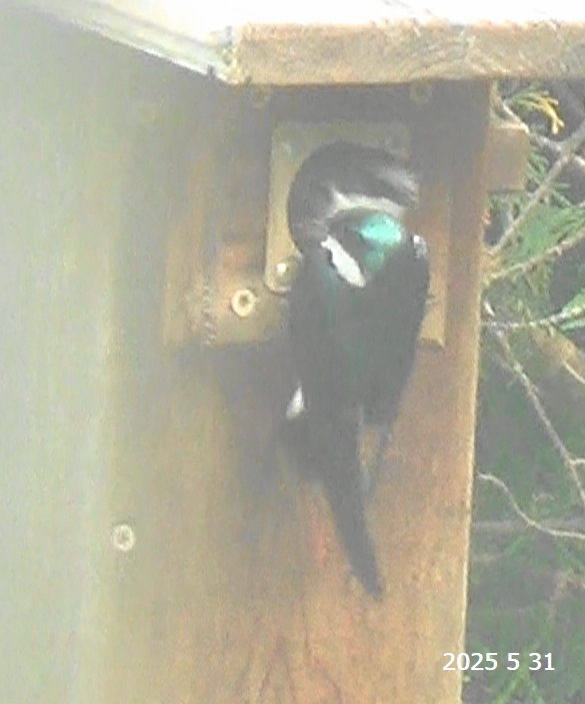
In March, when the air was just beginning to warm and the trees had not yet forgotten winter, the first swallows arrived - gliding in over the glassy waters of Tellico Lake, their wings slicing through cold wind and sky. These early travelers came from the warm edges of the continent - Florida marshes, the Gulf Coast, and the far inland skies of Mexico - pausing to rest, feed, and gather over water, where insects had begun to stir.

But Keeper and Leaf were not among them. 

They came later, in April, when the hills around the lake had turned a soft, full green. The irises stood on the edge of blooming. The tall oaks and poplars still held their buds tight, waiting for one more cue of warmth.

The pair arrived quietly, circling low over a cluster of birdboxes—tucked not in open roadside fields like those claimed early by bluebirds, but hidden behind the houses or along the woodland edge, where moss crept between roots and the light filtered softly through. 

Had Keeper nested here last year, reclaiming a familiar site? He chose the box at the edge of what used to be a maple - now bare and stark but still sturdy and strong, holding firm against time. This was Maple Nest Retreat, and though the tree that named it had lost its leaves forever, it stood tall, offering its arms.

He chose the box. She chose him.

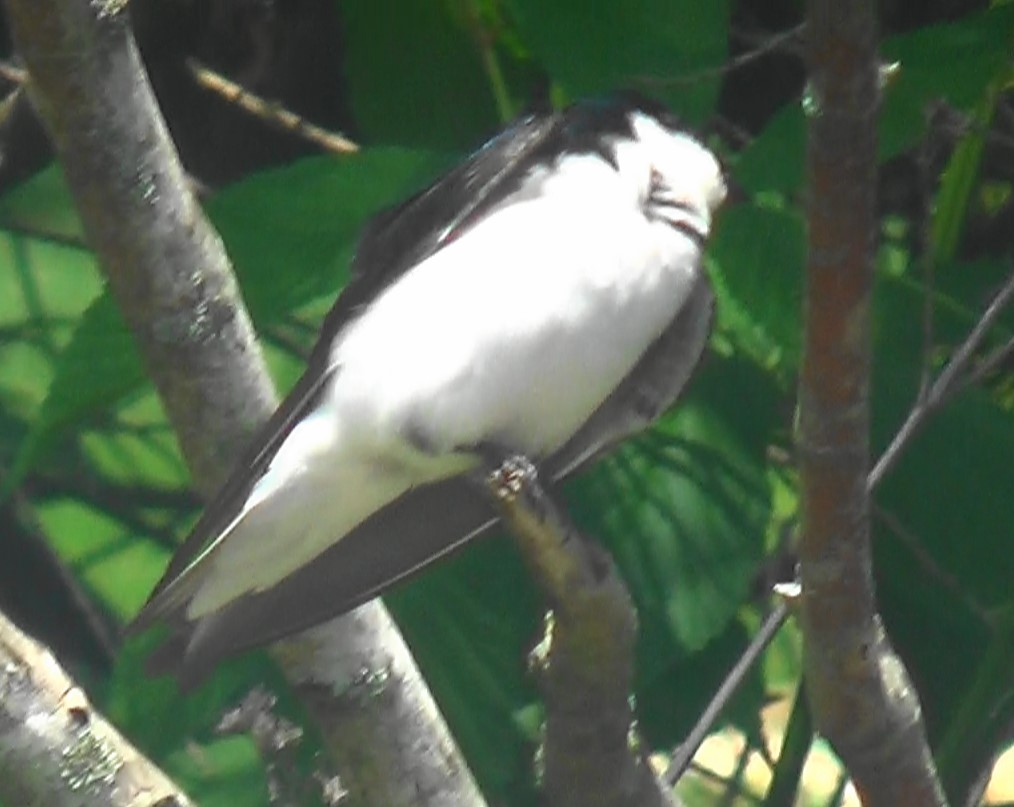
Keeper, swift and attentive, seemed a wing-length behind his companion. He was watching, guarding, holding the rhythm of the flight. His gentle mate, graceful and intentional in every motion, was Leaf, though her name had not yet been spoken aloud. 

Keeper and Leaf were circling low above the quiet yard as if listening for a whisper from the land. For a few days, they came and went. Keeper watched. Leaf explored. Then, with a flit and a flick of her wings, she chose it. And Keeper stood watch as the work began.

Together, they brought threads of life back to the wooden hollow. Bit by bit, they wove it: dried grasses, soft twigs, whispers of the field. But something was missing - something tender, something that would say this nest is home. And so, watching from below, a silent helper brought a few small white feathers near the roots - soft plumes of dawn, taken from a couch pillow and placed gently in offering.

Leaf accepted them. She lifted each feather carefully in her beak, carried them into the nest, and tucked them with elegant care. They curled softly within, forming little clouds of comfort. And then, unexpectedly, she brought a single dry leaf—a peculiar choice for a swallow. Was it meant as a cover for future eggs, or simply a quiet signature of her name? No one could say.

Then came the stillness. A pause. As if the world held its breath. Storms rolled in - thunder that shook the ground, rain that carved rivers in the dirt. But the nest held firm. And one evening, between lightning and the hush of falling rain, the watcher saw them again.

There they sat - Keeper and Leaf, side by side on a bare maple branch, close to the nest they'd crafted.


Not flying. Not building. Just being. A silhouette of devotion against the grey.

It was only the beginning, but it was already filled with sky.

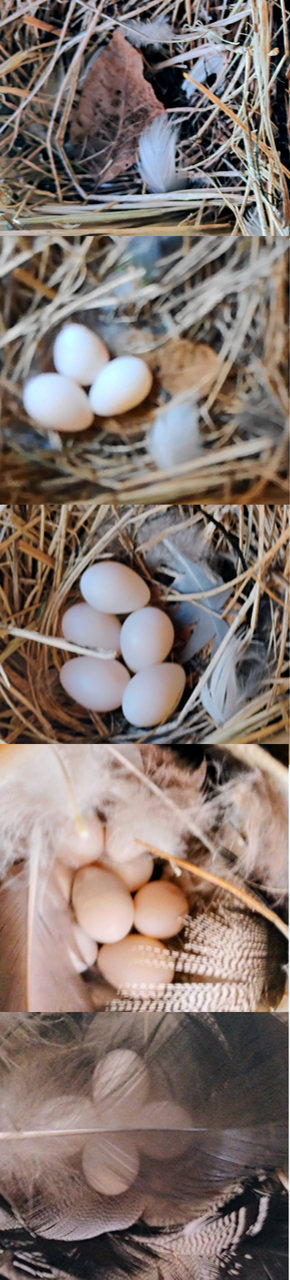
Then they disappeared once more. But the silent observer found three little white eggs nestled safely in the box.

On the evening of May 4, just before sunset, Leaf returned and stayed through the night, Keeper watching quietly from a nearby branch, a sentinel at dusk.

Days passed quietly.

May 8 brought heat—an unexpected swelter—and a quick check revealed five little eggs, resting like pearls among the straw. 

Then came chaos.

On that same day, May 8, as the heat rose sharply, a violent storm tore through the valley with hail and fierce winds. On May 10, the ground itself shifted—a magnitude 4.1 earthquake struck just thirteen miles away. The weather turned wild and restless: sudden cold snaps, tornado watches, winds that whistled through the hills like warnings. Yet Keeper remained—vigilant and resolute. Leaf, though brave, seemed shaken. Was she fleeing the box when thunder rolled too close?

Still, the nest held firm.

On May 23, the pair was seen again on the bare maple limbs. Something was stirring. The time felt near.

At the hottest hour of the afternoon, while both swallows vanished briefly into the sky, the observer peered into the box.

Still five eggs.

Still waiting.

And yet—the nest was breathtaking. Leaf, the quiet artisan, had lined it with elegance. Somewhere, somehow, Leaf had found striped black-and-white feathers, likely from a passing Black-and-white Warbler. She had woven them in, giving the nest a quiet elegance. A design of instinct and beauty.

Her taste was refined, even in the smallest touches. But had she lingered too long chasing these treasures, leaving the eggs vulnerable to cold or chaos?

May 24 brought renewed urgency. Keeper, alert and purposeful, darted between sky and nest carrying insects—not yet for hatchlings, but for Leaf, who had begun to stay put. Her patience grew. Keeper tended to her now, slipping food into the box, keeping her nourished as she sheltered their shared future.

Then came the surprise.

By May 28, the clutch had grown—eight eggs now nestled in the downy cradle, a symphony of feathers and hope. Leaf’s artistry flourished, adding iridescent blues and bold Tree Swallow plumes, each one like a stitched promise in her soft architecture.

June arrived heavy and hot. On the second day, the temperature climbed to 82°F—nothing extreme, but the swallows panted, visibly strained. Keeper gaped for breath on a high perch. Leaf mirrored his anxiety, leaving and returning, unsettled. It wasn’t just the heat—something deeper stirred. They were close now. Their movements sharpened, purposeful. Yet tension ran through each wingbeat.

On June 3, five original eggs were missing.


Had they been lost? Buried deep in feathers? Leaf, startled by a soft sound, fled the nest in alarm, hastily covering her newly layed four eggs with trembling care. Her feathers fluffed, eyes half-closed, she seemed worn by the weight of wanting to experience the motherhood. But she stayed.

They both stayed.

Keeper took the lead when needed—offering food, rotating eggs, watching from the maple’s bones. Leaf no longer fled during storms. She had changed. They had changed. Together they learned how to endure.

June 14 crackled with anticipation. Keeper entered the box often now. Leaf circled above, calling, fluttering - restless. Something was coming.

And then, joy.


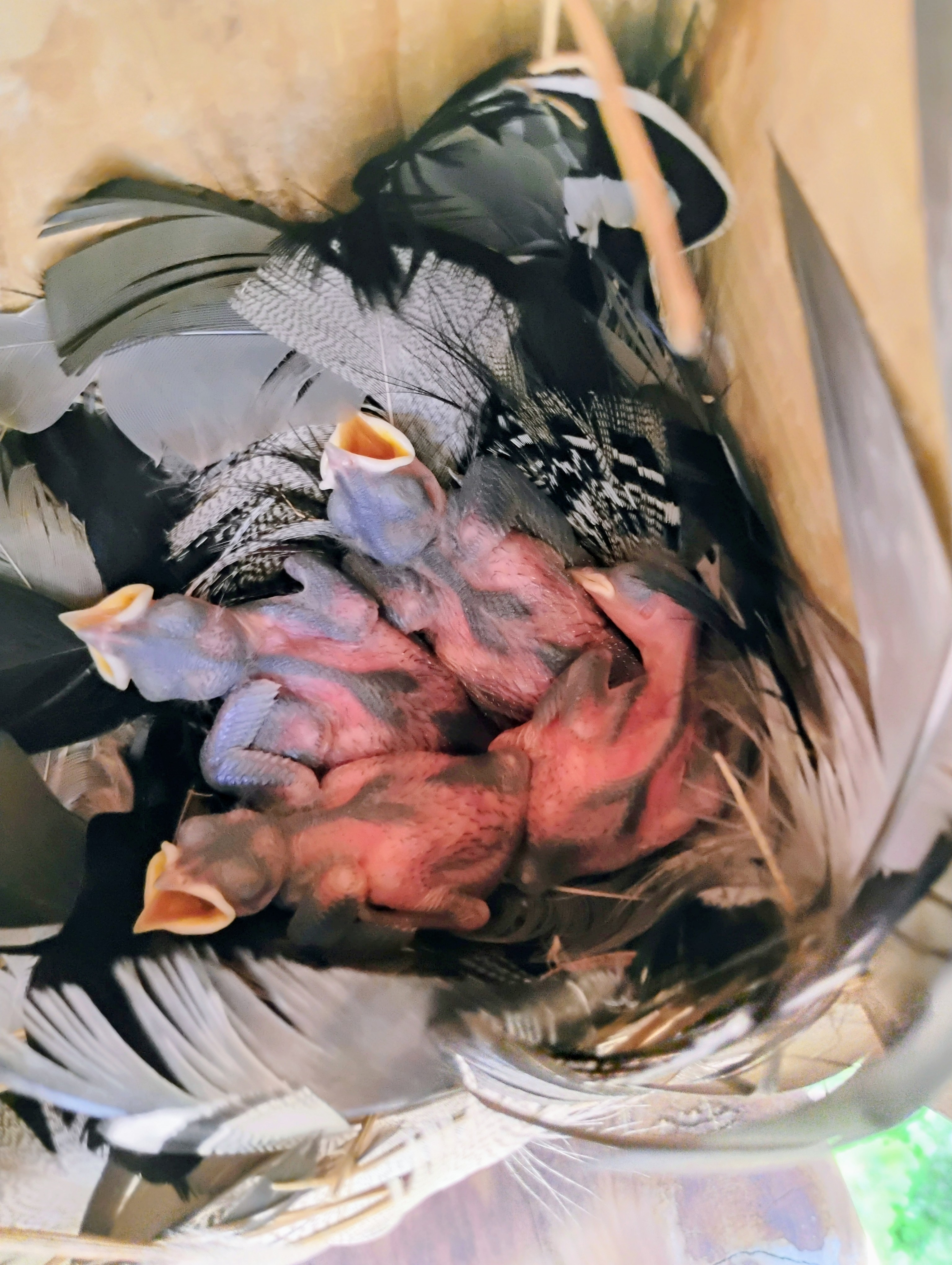
On June 16, during a brief lull in the skyward traffic, the observer saw them: four tiny hatchlings, barely visible amid the feathers. Three raised their heads in silent hunger, one still and dreaming. They had arrived. On Father's Day, June 15, Keeper had become a father. A fitting gift for a guardian so devoted.

The days that followed were a blur of motion—endless flights for food, careful cleaning of the nest, quiet songs in the dusk. They were tireless. They were whole.

But the trials were not done.

The days grew longer. The sun climbed higher.

As the summer solstice passed - when the sun shone most directly on this little corner of the world - the heat returned with vengeance. A high-pressure ridge scorched the land. Temperatures surged into the mid-90s. With dew points in the 70s, the heat index soared above 105°F. Heat advisories blanketed the region. The air shimmered. The nest box baked like an oven.

Still, they stayed.

Keeper and Leaf took turns shielding their chicks from within, wings spread slightly. Watching, ventilating and protecting. They didn’t leave the nest unguarded for more than a minute. Every return brought food, and every visit was a promise: we are here.

On June 24, a milestone: one brave chick appeared at the nest entrance. Just 9 days old, too young to fledge, but strong, alert, and eager for food. The parents fed him tirelessly. The others stayed hidden. Were they safe? Healthy? It was hard to tell. But each day, a small face returned to the entrance, wide-eyed and waiting.

Please, the silent observer thought, just don’t jump - not yet.

A quiet worry lingered: was it always the same chick? Were the others simply more cautious, or struggling silently beneath the feathers? 


Then came the morning of July 1.


At 7:30 AM, one chick lay sleeping peacefully near the entrance. The observer stepped out for a morning run - quietly, carefully, far from the nest.


And then, from the corner of the yard, three swallows lifted into the sky.

One. Two. Then three.


They circled low over the house - quick, purposeful, and knowing. It felt like a farewell. And then, without hesitation, they turned southeast—toward the lake.


The nest was empty.


Inside: a few beetle wings, a wisp of down. No broken shells. No unhatched eggs. Just a smooth, worn hollow - the final signature of a story completed.


Their panting in June, their restless movements - it all made sense now.


A double clutch. Nine eggs. Five gently removed. Four healthy fledglings. Gone by Day 17—soaring early, strong, and whole. A triumph.


And something else had gone, too.


The dry leaf - Leaf’s quiet signature, once nestled at the center - had vanished. Perhaps carried out with the unhatched eggs. A soft symbol of inexperience shed, of the transformation she'd undergone. Of who she had become.


They’ll linger now near the lake, where the air is rich with insects and the open skies offer safe space to practice their flight. In just a few weeks, the swallows will gather with their young - rising in swirling flocks above golden fields and glassy water, tracing invisible paths southward. Back to the marshes and coasts. Back to rest.


The yard is quiet now. Still. Not lonely - just changed.


Because they were here.


Because they will return.


Because the bare maple branch - old, gnarled, once thought lifeless - has sprouted something new.


A single shoot.


A young branch with tender, red maple leaves.


REFERENCES


https://nestwatch.org/explore-data/nestwatch-open-dataset-downloads/

The evidence from recent years shows that birds are nesting weeks earlier than they used to and this spring may be no exception.

https://phys.org/news/2024-03-early-earlier-birds.html

Gruber, Caleb, "The relationship between temperature, rainfall, and tree swallow fledging times" (2023). Masters Theses and Doctoral Dissertations.
https://scholar.utc.edu/theses/802

https://www.allaboutbirds.org/guide/Tree_Swallow/maps-range

Thursday, June 12, 2025

On Compost and Plastic Benches

Dear Earth Diary,

It’s me again. Your average suburban eco-guilt-ridden citizen clinging to my compost bin like it’s a life raft in the climate apocalypse. Armed with seven reusable grocery bags, an emotional support bamboo toothbrush, and the steadfast belief that if I just recycle hard enough, the polar bears will survive.

A new study in PNAS Nexus tells that skipping one transatlantic flight, eating less meat, or not getting a dog (no offense, Max) makes a vastly larger dent in emissions than a lifetime of sorting cans and switching to LED bulbs. 


Most of us overrate the impact of what we’re doing—recycling, driving a hybrid, refusing straws like eco-warriors at a paper-plastic battlefield—while ignoring the big-ticket stuff that actually matters: flying less and biking more.

Worse, these micro-actions—if we think they’re enough—can actually reduce our willingness to support collective solutions. It’s the environmental version of "I donated once, I’m good." Except the donation was a rinsed yogurt container, and the house is still on fire.

Remember the Municipal Food Scrap Initiative? Aka, “Put all your rotting leftovers in this biodegradable, city-approved bag that disintegrates on contact with oxygen, feelings, or the faint idea of humidity.”

It felt good—for about three weeks. The smell? Biblical. The pests? Legendary. The results? Predictable. Most of the food scraps still ended up in the landfill because the sorting center was “overwhelmed by enthusiasm and spaghetti.” Apparently, banana peels and shredded bills were clogging the machinery. And someone—probably Gerald from Apartment 3B—kept tossing in metal forks like he was trying to short-circuit the revolution.

Early programs relied heavily on voluntary participation, which mostly translated to “optional until it smells bad.” Without clear mandates or penalties, enthusiasm wilted faster than last week’s cilantro. Now California’s cracking down: SB 1383 says by 2025, 20% of edible food waste must be recovered to feed people, not landfills. Jurisdictions must build food recovery programs, donors have to get their act together, and tossing perfectly edible leftovers could soon come with a fine.

Will these mandates finally shift behavior—or just make the compostable bag industry even richer? Jury’s still out.

Meanwhile, the regular recycling bins remain a full-blown theater of chaos. I separate plastics like a forensic analyst, rinse jars like I’m prepping for surgery, and arrange cardboard with the devotion of a monk folding sacred texts. And then?

The garbage truck arrives, and with one magnificent whoosh, everything—plastics, papers, dreams—goes into the same compartment. I swear I heard the bottles scream.

But don’t worry. We’re told that plastic lids can be used to make benches. Benches! Thousands of them! Just... don’t ask where they are. Or how many lids it takes to make one. Or whether they even exist. Maybe they’re part of a Google moonshot—vague, glossy, heavily branded, and possibly mythical.

Speaking of Google: what are those moonshot projects doing? Solar kites? Smart lenses for goats? AI for sorting good vibes from bad ones? Every time I click on a press release, it’s like opening a fortune cookie that says, “We're very innovative. Don’t ask questions.”

In the meantime, I carry seven reusable bags, refuse straws like it’s a personal crusade, and have developed mild carpal tunnel from peeling stickers off fruit so they don’t contaminate the compost. Which, ironically, no longer exists.

But hey, at least I feel morally superior while watching a garbage truck hurl everything—recyclables, organics, my hope—into the same yawning void.

So if you're out there, Real Sustainability: Please stand up. Bring receipts. And maybe a bench. I could use the rest.


REFERENCES

Danielle Goldwert, Yash Patel, Kristian Steensen Nielsen, Matthew H Goldberg, Madalina Vlasceanu, Climate action literacy interventions increase commitments to more effective mitigation behaviors, PNAS Nexus, 2025;, pgaf191, https://doi.org/10.1093/pnasnexus/pgaf191v


Castaneda A, Kennedy J. FOOD WASTE RECYCLING IN UPSTATE NEW YORK: A QUALITATIVE STUDY EXPLORING THE FEASIBILITY OF FEEDING FOOD SCRAPS TO ANIMALS.

Knorr D, Augustin MA. From kitchen scraps to delicacies to food waste. Sustainable Food Technology. 2024;2(3):652-66.

https://www.npr.org/2020/09/11/897692090/how-big-oil-misled-the-public-into-believing-plastic-would-be-recycled

https://www.scearthconnection.org/bottle-caps-to-benches/

Tuesday, May 13, 2025

Mr. and Mrs. Pi

We first met Mr. and Mrs. Pi on a crisp morning in March, the 14th of 2020. The air was in the low 50s (°F), and the patio was quiet save for the faint rustling of early spring. That’s when we saw them — two house finches busily at work beneath our retractable roof, weaving the foundations of a home in the corner nook of the patio.

Mr. Pi, caught red-beaked in the act, dropped a straw when he noticed me. He looked so startled — almost embarrassed — but endearingly so. Within days, they realized we meant no harm. The nest was completed with astonishing speed. Eggs were laid. Life quietly stirred. Then one day, wild little chicks emerged.

And one unforgettable moment - on April 18 - I captured a photo of a brave young finch flying the coop. He landed on the patio railing, looking around with wide eyes — wonderstruck. The world was big. So much to explore. And just like that, he took off into the yard — into life. 

As one brood fledged and fluttered off into the world, Mrs. Pi had already begun constructing the next nest. Mr. Pi, dutiful and proud, guided the young — now feathered and restless — on their first hops and flights. Another brood came, and then another. 

As the season warmed, the Pi family shifted their nest to the opposite corner of the patio, perhaps sensing the subtle change in heat and light. I began calling it Pi Palace — their elegant little haven — when reporting to Cornell’s NestWatch.

That summer of 2020, I caught many glimpses and treasured moments:

— a radiant Mr. Pi on April 22, perched triumphantly atop our water fountain. 


— Mr. Pi enjoying the yard, chest puffed and wings alert on May 31

— a tiny chick sleeping peacefully in the nest on July 29, his head barely fluffed, looking almost prehistoric when zoomed in — a little dinosaur in down.

Seasons passed. The retractable awning was eventually replaced with a beautiful pergola topped by a transparent roof. The original nesting corner was no longer usable, but the Pi family, ever resourceful, simply shifted to the remaining corner. They stayed, singing songs from our ledges. 

Each fall, I would gently clean out the nests. But not in 2024. In early 2025, I noticed an old nest hanging low. Had a raccoon pulled at it? Or had the finches themselves dismantled it to make way for the new?

I left it untouched - their domain.

Then came May 8, 2025 — a fierce storm swept through with high winds and hail. Just two days later, on May 10, a magnitude 4.1 earthquake struck, its epicenter only 13 miles away. When I checked the nest on May 11, it was gone — completely blown away.

I found remnants. The fallen nest showed no eggs, just some fecal matter and an old pale blue shell — likely from the previous season. But what stunned me was the new nest I had seen earlier: a true architectural marvel. Unlike the simpler constructions from 2020, this one was built with polypropylene mesh netting — white, lightweight, water-resistant, and incredibly strong. It wasn't just insulation — it formed a structural framework around the cup of the nest. Inside, the lining was soft with fur, carefully chosen for warmth and comfort. 

Mr. and Mrs. Pi and their offspring had adapted — not just surviving, but evolving, weaving human-made materials into the fabric of their home. It was a quiet testament to ingenuity and resilience, to learning over time, and to the persistence of life at the edges of our own.

What began with a startled straw-drop in 2020 became five years of quiet companionship — seasons of nests, fledglings, and shared space. Their broods grew, their brilliance shone, and their trust gently deepened.

And if you're still nearby, the original Mr. and Mrs. Pi — thank you for making our patio your home, the Pi Palace. Whether it’s you or your descendants fluttering through the garden now, your legacy lives on. In your small, determined way, you showed us how life adapts, how beauty is built from scraps, and how even the tiniest creatures can leave lasting imprints on our hearts.

Friday, August 30, 2024

Sustainable Growth in Planned Communities

In the United States, the burden of disease increasingly involves chronic conditions like obesity, mental health disorders, and cardiovascular diseases—issues closely linked to our built environment. Urban development since the 1950s has drastically reshaped this environment, reducing green spaces, increasing traffic-related air pollution, and limiting opportunities for interaction with nature. These changes have contributed to a decline in public health, marked by rising rates of obesity, stress, and injuries, particularly in densely populated urban areas.

Master-planned communities (MPCs), especially those situated away from urban congestion, offer a healthier and more holistic living environment. Active adult lifestyle communities (AALCs), such as Tellico Village in rural Tennessee, exemplify this trend. These communities provide abundant green spaces, extensive hiking trails developed by retirees, and foster a strong sense of social connection, enhancing physical activity, mental well-being, and opportunities for community engagement. For retirees and those seeking better health outcomes, MPCs like these are increasingly appealing due to their integration of natural surroundings and communal support systems.

Poor living conditions are well-known risk factors for adverse health outcomes, while access to parks, green spaces, and blue spaces like lakes and rivers has been shown to reduce stress and decrease mortality during extreme heat events. Tellico Village’s proximity to a lake, woods and mountains showcases how the combination of green and blue spaces can create an environment that supports healthier living, promoting both physical activity and relaxation.

A recent paper on arXiv explores the growth patterns of MPCs using Tellico Village as a case study, highlighting how predictive modeling can guide sustainable development. As environmental health enters a critical phase, research will increasingly focus on integrating housing growth, microtransit, recreational activities, food services, and preventive health measures into MPCs to support healthier communities. AALCs provide social interaction, physical activity, and engagement opportunities that have been shown to positively influence cognitive function and delay the onset of neurodegenerative conditions. As these communities evolve, they hold potential to become integral to aging-in-place strategies, incorporating advancements in healthcare, smart home technologies, and brain health interventions.

Looking ahead, the planning and development of age-restricted communities must address the complex dynamics of aging populations. Advanced forecasting techniques, such as the Time-Varying Markov Models (TVMM) developed by Allsup and Gabashvili (2024), offer innovative approaches to anticipating the needs of these communities, particularly during transitions between growth phases. This method helps navigate the complexities of MPC development, ensuring that Active Adult Lifestyle Communities remain vibrant and supportive environments for older adults.

The study by Allsup and Gabashvili marks a significant advancement in understanding MPC growth dynamics. By focusing on micro-level interactions and decision-making, the research introduces a data-driven approach that reflects the real-world behaviors within these communities. This granular perspective enriches our understanding of MPC development and enhances the precision of future forecasting models, guiding strategic planning.

Moreover, this study is groundbreaking in its use of extensive data from state and local MPC authorities, setting a precedent for future research and planning. As age-restricted communities continue to evolve, these insights underscore the potential for integrating healthcare advancements, smart technologies, and targeted brain health interventions, positioning MPCs at the forefront of aging-in-place strategies.

This juncture represents a transformative moment in reimagining how we design living spaces that prioritize health, sustainability, and well-being, paving the way for communities that enhance the quality of life for older adults in a rapidly changing world.


REFERENCE

Allsup C.K., Gabashvili I.S. Modeling the Dynamics of Growth in Master-Planned Communities August, 2024 arXiv:2408.14214 [econ.EM] https://doi.org/10.48550/arXiv.2408.14214


Sunday, June 9, 2024

Life Exposures and Health

In our daily lives, we are exposed to thousands of substances, yet the impact of many of these chemicals on our health remains unclear. This gap in knowledge is what the Southern Environmental Health Study (SEHS) aims to address. By finding connections between life exposures and health, this study seeks to improve the well-being of all communities. Adults between the ages of 40 and 70 who live in southern states are invited to join this critical research effort. Compensation is provided for participation.

The SEHS is enlisting volunteers to wear specialized wristbands for seven days. These wristbands, designed to absorb a variety of chemicals, provide insight into the substances individuals encounter in their environment and those emanating from their bodies. By participating, you will help to map out the spectrum of chemical exposure over a week, offering a unique window into the interactions with our surroundings.

The wristbands used in this study are equipped with advanced materials capable of absorbing a wide range of chemicals, including:

Polycyclic Aromatic Hydrocarbons (PAHs)

Organophosphate Esters (OPEs)

Pesticides

Plasticizers including Phthalates

Flame Retardants (FRs) 

Polychlorinated Biphenyls (PCBs) and Brominated Flame Retardants (BFRs), including PBDEs (Polybrominated diphenyl ethers)

Nicotine and Cotinine

Phenols

VOCs including Carboxylic Acids, Alcohols, Ketones, Sulfur- and Nitrogen-containing compounds

The wristbands operate through a process known as solid-phase microextraction (SPME), where the material absorbs chemicals directly from the environment and from sweat. These absorbed chemicals are then analyzed using Gas Chromatography-Mass Spectrometry (GC-MS), allowing for the identification and quantification of a wide range of compounds. 

Traditional wristbands can accumulate a wide range of volatile organic compounds (VOCs), but not all materials have a high affinity for molecules like trimethylamine (TMA). TMA is more difficult to be captured due to their high polarity and poor extraction efficiency. One approach to capture these molecules is solid-phase microextraction (SPME), which couples with triple quadrupole gas chromatography tandem mass spectrometry. Previous research on SPME of SCFAs demonstrated poor extraction efficiency, necessitating on-fiber derivatization to enhance detection sensitivity. To improve the capture of molecules like TMA, pre-coating the wristband material with reagents that react with TMA to convert it into a less polar and more easily extractable compound could be employed. Common reagents include pentafluorobenzaldehyde (PFB) or o-phthalaldehyde (OPA). Using materials like ion-exchange resins or functionalized polymers with a high affinity for polar compounds or higher surface area for adsorption would also help. Even with traditional materials, optimized solvent extraction or multi-step extraction processes could improve capture efficiency.

For this study you will be asked to wear a wristband. In the past, participants also wore samplers on their ankles, chest, and shoes. Shoe samplers were more sensitive to particle-bound semi volatile compounds (SVOCs), while chest samplers collected more exhaled compounds. Many chemicals displayed seasonal fluctuations. 


The longer the wristband is worn, the more chemicals accumulate on it.  The wristbands absorb chemicals at a rate proportional to the environmental concentration of these chemicals over time, effectively sampling the environment in a first-order kinetic manner.


To join, click this link. 

Eligibility: Adults ages 40-70 living in Alabama, Arkansas, Delaware, District of Columbia, Florida, Georgia, Kentucky, Louisiana, Maryland, Mississippi, Missouri, North Carolina, Oklahoma, South Carolina, Tennessee, Texas, Virginia, West Virginia.


REFERENCES

Fuentes ZC, Schwartz YL, Robuck AR, Walker DI. Operationalizing the Exposome Using Passive Silicone Samplers. Curr Pollut Rep. 2022;8(1):1-29. doi: 10.1007/s40726-021-00211-6. Epub 2022 Jan 4. PMID: 35004129; PMCID: PMC8724229.

Roodt AP, Naudé Y, Stoltz A, Rohwer E. Human skin volatiles: Passive sampling and GC × GC-ToFMS analysis as a tool to investigate the skin microbiome and interactions with anthropophilic mosquito disease vectors. J Chromatogr B Analyt Technol Biomed Life Sci. 2018 Oct 15;1097-1098:83-93. doi: 10.1016/j.jchromb.2018.09.002. Epub 2018 Sep 3. PMID: 30212730

Sunday, February 18, 2024

The Ubiquitous Journey of Propylene Oxide

While Propylene Oxide (PO) may not be as infamous as some chemicals, its widespread use in industrial and consumer applications has made it a constant presence in our environment. Industries that rely on PO include those producing polyurethane polyols, propylene glycol, and fumigants.

The global market for Propylene Oxide estimated at $14.4 billion in 2020, is projected to reach $18.8 billion by 2027. Additionally, traffic emissions contribute to ambient levels of propylene, the precursor of PO, further underscoring its ubiquitous nature.

Recent research has revealed that many chemicals, including PO, leave more significant marks on the human body than previously thought. A new study by the Environmental Working Group (EWG) found chlormequat, a lesser-known pesticide, in 80% of people tested. Chlormequat chloride, used increasingly on grain crops in North America, has been linked to reduced fertility and developmental harm at doses lower than regulatory agencies' allowable daily intake levels. The study reported a significant increase in chlormequat concentrations in urine samples collected in 2023 compared to previous years.

A recent systematic review published on MedrXiv, titled "Biological Factors Influencing Individual Responses to Propylene Oxide," sheds light on the complex interplay between environmental exposures, genetic makeup, and individual susceptibility concerning PO levels in the human body. This review highlights the growing public health significance of propylene oxide beyond occupational exposure.

The study emphasizes the importance of considering individual variability in response to PO exposure, influenced by factors such as sex, dietary preferences, genetics, and physiology. It focuses on several genes (CYPs, mEH, GSTT1, GSTM1, FMO3, ADH, ALDH, GDHt) and microbes (including opportunistic pathogens, neutral or even beneficial bacteria) that could be relevant to PO metabolism reactivation and elimination from the body.

PO, primarily encountered through inhalation in occupational settings, poses potential health risks due to its genotoxic effects on DNA. The metabolism of PO primarily occurs through glutathione conjugation and epoxide hydrolase-mediated hydration, with interspecies differences noted. Furthermore, the human microbiome's role in PO metabolism highlights the complexity of individual responses, while environmental factors and seasonal variations further modulate PO's impact.

This comprehensive review stresses the limitations in our abilities to maintain and continuously update living reviews and indexing. It also emphasizes the importance of advancing AI capabilities in literature reviews to capture nuanced, indirect evidence more effectively. While AI tools like Elicit and Perplexity show promise, challenges persist in processing longer segments of information and ensuring consistency across platforms.

Moving forward, the development of specialized AI architectures tailored for systematic reviews is imperative. By enhancing AI tools strategically, we can navigate the complexities of scientific literature more effectively, enabling better summarization and addressing unanswered questions in environmental health research. This study paves the way for targeted research and technological innovation, advocating for a multidisciplinary approach to understanding individual responses to environmental chemicals like PO.


REFERENCES

Gabashvili, IS. Biological Factors Influencing Individual Responses to Propylene Oxide: A Systematic Review medRxiv 2024.02.15.24302622; doi: https://doi.org/10.1101/2024.02.15.24302622

Temkin, A.M., Evans, S., Spyropoulos, D.D. et al. A pilot study of chlormequat in food and urine from adults in the United States from 2017 to 2023. J Expo Sci Environ Epidemiol (2024). https://doi.org/10.1038/s41370-024-00643-4


Open-Source Project: OSF | Biological Factors that Influence Individual Responses to Environmental Epoxides DOI 10.17605/OSF.IO/W7682

Monday, December 4, 2023

The Hidden Dangers of Your Morning Hair Routine

The air we breathe can carry hidden risks that warrant our attention and action.

Recent research from Purdue University has shed light on a surprising health concern that arises from one of the most common morning rituals: hair care. In a detailed study published in the journal Environmental Science & Technology, the researchers reveal how the use of hair care products (HCPs) leads to the inhalation of significant amounts of potentially harmful chemicals.

Chemical compounds such as decamethylcyclopentasiloxane (D5 siloxane), are favored in the industry for their properties such as low surface tension, inertness, and their ability to provide a smooth texture to hair products. However, the research highlights their darker side.

The Purdue University team discovered that during a typical hair care session, a person can inhale between 1 to 17 milligrams of these chemicals. This exposure is alarming, given the potential health risks associated with these compounds. In laboratory animals, D5 siloxane has shown adverse effects on the respiratory tract, liver, and nervous system. Its impact on human health over the long term, however, remains largely unexplored. The study also revealed that the application of high heat, as is common with hair straighteners and curling irons, significantly increases chemical emissions. At temperatures around 210 degrees Celsius, emissions can increase by 50% to 310%.

The inhalation of other products from hair care products - such as monoterpenes and propylene glycol could also have health implications.

Real-time siloxane measurements via proton-transfer-reaction time-of-flight mass spectrometry were used to measure VOCs in the air. Siloxane-based HCPs were tested using common hair styling techniques, including straightening, curling, waving, and oiling. 

The implications of this study go beyond personal health. These airborne chemicals don't just stay confined to our bathrooms; they spread throughout the house and even outside, contributing to urban air pollution. This finding is especially significant in densely populated areas where many people using similar products could significantly impact air quality.


REFERENCE

Jiang J, Ding X, Patra SS, Cross JN, Huang C, Kumar V, Price P, Reidy EK, Tasoglou A, Huber H, Stevens PS, Boor BE, Jung N. Siloxane Emissions and Exposures during the Use of Hair Care Products in Buildings. Environ Sci Technol. 2023 Nov 16. doi: 10.1021/acs.est.3c05156. Epub ahead of print. PMID: 37971371.


Tuesday, September 12, 2023

Holocene: Leading the Charge for Sustainable Carbon Reduction

Over 4.5 billion years ago, the Earth formed, initially enveloped in an atmosphere rich in hydrogen, helium, and water vapor. As the planet cooled, the water vapor condensed to form oceans, leaving behind an atmosphere composed of gases including CO2, nitrogen, and methane. Around 4.4 billion years ago, the Earth's molten surface solidified to form the first crust, marking the end of the planet's early molten state.

During the initial million years post its formation, the Earth's atmosphere might have contained CO2 concentrations as high as 10,000 ppm, primarily because there were no life forms to absorb CO2 through photosynthesis. Around 4.3 to 4.4 billion years ago, the Earth had cooled sufficiently for water to condense and form oceans, as evidenced by zircon crystals from that period.

Life began to emerge between 3.5 and 3.7 billion years ago, with the earliest direct evidence being fossilized bacteria from this time. This suggests that conditions conducive to life had existed for hundreds of millions of years before the first life forms appeared. The early atmosphere was dominated by gases such as water vapor, nitrogen, carbon dioxide, methane, ammonia, and hydrogen, with a notable absence of oxygen.

In the first few hundred million years, CO2 levels were exceedingly high, possibly over 5000 ppm, due to extensive volcanic outgassing and minimal absorption by rocks and emerging life forms. Around 2.7 billion years ago, the advent of cyanobacteria, capable of photosynthesis, began to gradually reduce CO2 levels. By the end of the Archean eon, approximately 2.5 billion years ago, CO2 levels had potentially decreased to about 4000 ppm, a hundred times the present levels. During the early Proterozoic era, the CO2 concentration remained between 10 and 100 times higher than today's levels.

As life continued to evolve, the decline in CO2 levels accelerated, with plants and algae playing a significant role in this reduction through the process of photosynthesis, where they consumed CO2 to produce oxygen and food, releasing oxygen back into the atmosphere. Between 600 and 400 million years ago, the Earth experienced another phase of extremely high CO2 concentrations, exceeding 6000 ppm. This period, characterized by a warmer climate, saw the flourishing of primitive plant life forms that thrived in the carbon-rich environment.

Around 50 million years ago, during the Eocene epoch, the Earth experienced a significant decline in atmospheric CO2 levels. This period is known for a series of drastic changes in the Earth's climate and environment. The movement of Earth's plates led to the uplift of mountain ranges, which increased weathering rates when CO2 was consumed from the air and converted into carbonate rocks. The spread of grasslands increased the rate of weathering of continental rocks. A reduction in volcanic activity and increased carbon sequestration in the deep sea, as well as the formation of the Antarctic ice sheet as well as spread of new types of phytoplankton could have also contributed. 

The decline in CO2 levels during this period is associated with a general cooling trend, which eventually led to the ice ages of the more recent geological past. It's a complex interplay of geological, biological, and climatic factors that contributed to the dramatic fall in CO2 levels during this period.

The Holocene epoch, which began around 11,700 years ago and continues to the present day, is often characterized by relative climatic stability and prosperity, especially when compared to the fluctuating climates of the preceding Pleistocene epoch. The stable climate of the Holocene facilitated the rise of ancient civilizations, including Mesopotamia, Ancient Egypt, the Indus Valley Civilization, and others. These civilizations were able to develop complex societies, with advancements in technology, art, and architecture. The Holocene has also been a period of rich biodiversity, with a wide variety of flora and fauna flourishing in various ecosystems around the world. 

While the debate continues regarding our entry into a potentially less stable epoch known as the Anthropocene, there is a concerted human effort to address the escalating levels of CO2 in the atmosphere through innovative technologies.

Direct Air Capture (DAC) stands as a pivotal technology in the array of Negative Emission Technologies (NETs) aimed at mitigating the escalating levels of CO2 in the atmosphere. This technology encompasses various systems including absorption and adsorption methods, which are currently the most mature and extensively researched approaches. These systems function by capturing CO2 directly from the atmosphere, either storing it to reduce long-term environmental impact or utilizing it in other chemical processes, thereby fostering a human-controlled carbon cycle. However, the nascent stage of this technology presents a spectrum of costs and energy consumption values, necessitating further research and development to enhance efficiency and economic viability. Key performance indicators (KPIs) such as thermal and electrical energy consumption, operational and capital expenditures, and environmental impact serve as critical metrics in evaluating and advancing DAC technologies. As the scientific community and industries strive to refine these technologies, the focus remains on optimizing various factors including the energy required for regeneration, the binding affinity of sorbents and solvents to CO2, and the design of air contactors. 

In this evolving landscape, the Holocene company emerges as an important player, contributing towards achieving global climate goals.

Holocene is a startup based in Knoxville that is focused on developing and building plants capable of removing carbon dioxide from the atmosphere. The company has licensed a sustainable chemistry developed at the Department of Energy’s Oak Ridge National Laboratory (ORNL) for capturing carbon dioxide directly from the air. This technology utilizes a water-based, low-temperature process that employs an aqueous solution containing Bis-iminoguanidine (BIGs) receptors to absorb CO2, which then transforms into an insoluble crystalline salt that can be easily separated from the solution.

In the ever-evolving sphere of climate technology, accolades and recognitions serve as testament to the relentless efforts and innovations that companies bring to the fore. The Holocene company, despite not clinching the top spot at today's Innov865 annual pitch competition, managed to leave a lasting impression with their compelling and well-articulated pitch. Their technology, already a recipient of the prestigious R&D 100 Award, stands out in the quest to curb carbon emissions, promising a cleaner, greener tomorrow for generations to come.


REFERENCES

James W.B. Rae, Yi Ge Zhang, Xiaoqing Liu, Gavin L. Foster, Heather M. Stoll, Ross D.M. Atmospheric CO2 over the Past 66 Million Years from Marine Archives. Whiteford Annual Review of Earth and Planetary Sciences 2021 49:1, 609-641

Leonzio G, Fennell PS, Shah N. Analysis of technologies for carbon dioxide capture from the air. Applied Sciences. 2022 Aug 19;12(16):8321.

Kasturi A, Jang GG, Akin AD, Jackson A, Jun J, Stamberga D, Custelcean R, Sholl DS, Yiacoumi S, Tsouris C. An effective air–liquid contactor for CO2 direct air capture using aqueous solvents. Separation and Purification Technology. 2023 Nov 1;324:124398.

bigideaknox.com

https://knoxec.com/what-we-do/programs/wtbi/

Tuesday, August 1, 2023

Hemoglobin Adducts and Other Biomarkers for Assessing Chemical Exposure

Hemoglobin adducts have long been a focus of study in the field of environmental exposure, with growing research revealing their importance as biomarkers for internal exposure to chemicals. 

Hemoglobin (Hb) adducts are formed when specific chemicals react with hemoglobin or other proteins, leading to compounds known as adducts. These adducts can be measured, making them invaluable for understanding whether a person has been exposed to particular chemicals, such as glycidol, acrylamide, and glucose.

Exposure to chemicals that bond with the N-terminal valine of Hb, like glycidol, acrylamide, can affect the formation of individual Hb adducts. This has been analyzed using in vitro and in vivo systems, showing that simultaneous exposure, factors such as glucose, serum albumin, and other chemicals could alter adduct formation. 

Hemoglobin adducts of substances like butadiene, ethylene oxide, acrylamide, and acrylonitrile have significant advantages, and in some cases, they are more useful than other types of biomarkers. Hemoglobin adducts from acrylamide, for example, have been associated with a higher risk of mortality and cardiovascular diseases in humans.

In certain industries, like the production of surfactants for the textile industry, the levels of specific adducts can provide valuable insights into occupational exposure.

Lifestyle choices also pay a role. A study revealed correlations between smoking habits and adduct levels, showing how personal choices might impact the formation of these adducts. Yet, while there was a strong correlation with the number of cigarettes smoked daily, high levels of Hb adducts in nonsmoking workers suggested potential exposure from other sources such as food and drinks. 

While hemoglobin adducts offer a promising way to assess exposure to various chemicals, other methods like measuring volatile organic compounds (VOCs) in exhaled breath or measuring urinary byproducts of metabolism also exist. 

Urinary metabolites, like 2-HPMA for propylene oxide exposure, reflect a shorter window of exposure. These metabolites are excreted in the urine, and their concentration can provide insight into exposure over a time frame that generally spans up to 24 hours. The exact window may vary depending on the specific compound, metabolism, and excretion rates. Factors like testing methodology, exposure level and duration, diet and hydration, age, gender, kidney function, and overall health can influence how quickly substances are metabolized and excreted.

While Hemoglobin Adducts provide integrated exposure information over several months (reflecting exposure over the life span of red blood cells, typically 120 days) and are suitable for assessing exposure to a wide range of chemicals, not only those in the air, VOCs offer real-time exposure information and are less complicated by the simultaneous exposure to other chemicals - although cumulative effects play a role too. 


REFERENCES

Schettgen T, Broding HC, Angerer J, Drexler H. Hemoglobin adducts of ethylene oxide, propylene oxide, acrylonitrile and acrylamide–biomarkers in occupational and environmental medicine. Toxicology letters. 2002 Aug 5;134(1-3):65-70.

Schettgen T, Müller J, Fromme H, Angerer J. Simultaneous quantification of haemoglobin adducts of ethylene oxide, propylene oxide, acrylonitrile, acrylamide and glycidamide in human blood by isotope-dilution GC/NCI-MS/MS. Journal of Chromatography B. 2010 Oct 1;878(27):2467-73.

Schettgen T, Müller J, Ferstl C, Angerer J, Göen T, Hartwig A, MAK Commission. Haemoglobin adducts of ethylene oxide (N-(2-hydroxyethyl)valine), propylene oxide (N-(2-hydroxypropyl)valine), acrylonitrile (N-(2-cyanoethyl)valine), acrylamide (N-(2-carbonamide ethyl)valine) and glycidamide (N-(2-hydroxy-2-carbonamide ethyl)valine) [Biomonitoring Methods, 2015] The MAK-Collection for Occupational Health and Safety 2017, 1 (1) (2016), pp. 473-506, 10.1002/3527600418.bi7521e2115

Shimamura Y, Okuda A, Ichikawa K, Inagaki R, Ito S, Honda H, Masuda S. Factors influencing the formation of chemical–hemoglobin adducts. Toxics. 2021 Dec 21;10(1):2.

Zhao FC, Li X, Wang YX, Zhou SJ, Lu Y. Relationship between acrylamide and glycidamide hemoglobin adduct levels and osteoarthritis: a NHANES analysis. Environmental Science and Pollution Research. 2023 May 22:1-1.

Dos Santos LD, de Souza TL, da Silva GI, de Mello MF, de Oliveira JM, Romano MA, Romano RM. Prepubertal oral exposure to relevant doses of acrylamide impairs the testicular antioxidant system in adulthood, increasing protein carbonylation and lipid peroxidation. Environmental Pollution. 2023 Jul 4:122132.

Project: OSF | Biological Factors that Influence Individual Responses to Environmental Epoxides DOI 10.17605/OSF.IO/W7682

Wednesday, June 7, 2023

The Power of Wastewater-Based Epidemiology

Wastewater surveillance is a valuable tool for monitoring public health and detecting infectious diseases. It plays a crucial role in understanding the interconnection between human activities, public health, and environmental well-being. Wastewater contains a wide range of pollutants, including pathogens, chemicals, pharmaceuticals, and microplastics, which can pose risks to both human and environmental health. As the field progresses, innovative methodologies are continuously being developed, providing advancements in time and cost efficiency for analysis. 

by author, with ChatGPT & Bing image Creator

Wastewater-based epidemiology (WBE) emerged in 2001 as a method to monitor drug abuse, and it has since evolved to include various technological advancements in substance detection, providing near real-time and unbiased insights to prevent future drug epidemics. The COVID-19 pandemic has sparked a renewed interest in WBE and highlighted the link between wastewater and population health. The UC Merced COVIDpoops dashboard and the Biobot Network of Wastewater Treatment Plants are examples of global initiatives monitoring SARS-CoV-2 RNA and monkey pox virus DNA in wastewater, with data generated from numerous sites and representing millions of people. 

Wastewater surveillance is a rapidly advancing field with immense potential for enhancing public health, disease prevention, and response to future health crises. By analyzing wastewater, we can gain valuable insights into the health of communities and effectively monitor infectious diseases, antimicrobial resistance, and illicit drug consumption.

WBE has proven to be a valuable tool in detecting various substances and environmental factors in our communities. Beyond its most known applications in monitoring illicit drugs, COVID-19 and enteric viruses, WBE has expanded to encompass the detection of various pharmaceuticals, dietary biomarkers, and environmental contaminants such as metals. By providing a holistic understanding of a city's metabolism, WBE contributes to our knowledge of population health and environmental well-being. As we continue to harness the power of WBE, it is crucial to consider environmental justice and equity when determining the locations for monitoring. With continued advancements and broader implementation, WBE holds the potential to revolutionize public health, enhance environmental monitoring, and promote a more sustainable and equitable future.


REFERENCES

Cheng, Q., Chunhong, Z. & Qianglin, L. Development and application of random forest regression soft sensor model for treating domestic wastewater in a sequencing batch reactor. Sci Rep 13, 9149 (2023). https://doi.org/10.1038/s41598-023-36333-8

Demian S. Barcellos, Carlos E.R. Barquilha, Pâmela E. Oliveira, Mario Prokopiuk, Ramiro G. Etchepare, How has the COVID-19 pandemic impacted wastewater-based epidemiology?, Science of The Total Environment, Volume 892, 2023, 164561, ISSN 0048-9697, https://doi.org/10.1016/j.scitotenv.2023.164561.

Gitter A, Oghuan J, Godbole AR, Chavarria CA, Monserrat C, Hu T, Wang Y, Maresso AW, Hanson BM, Mena KD and Wu F (2023), Not a waste: Wastewater surveillance to enhance public health. Front. Chem. Eng. 4:1112876. https://doi.org/10.3389/fceng.2022.1112876

Rhodes T, Lancaster K. Early warnings and slow deaths: a sociology of outbreak and overdose. International Journal of Drug Policy. 2023 Jul 1;117:104065.

Naughton CC, Roman Jr FA, Alvarado AG, Tariqi AQ, Deeming MA, Kadonsky KF, Bibby K, Bivins A, Medema G, Ahmed W, Katsivelis P. Show us the data: global COVID-19 wastewater monitoring efforts, equity, and gaps. FEMS Microbes. 2023;4:xtad003.

Friday, January 20, 2023

Participatory Environmental Health Research

The field of environmental health is facing increasingly complex challenges that require innovative approaches to research and decision-making. One promising strategy is to expand the participation of the community, which has the potential to enhance the effectiveness and relevance of health sciences. Although this approach is relatively new in the field of environmental health, it has a long history of success in other scientific disciplines such as ornithology, where citizen science initiatives like bird counts have been taking place for over a century, and geography where land use surveys were carried out by school children in Britain in the 1930s and 1940s. 

Crowdsourcing could achieve in months what would take years through conventional research approaches. Passive Citizen science and digital citizen panels speed up research by increasing the numbers of participants and data points, making data collection more cost-effective and efficient, and by improving the engagement and participation of community members. “Extreme” citizen science and quantified-self approaches would go even further to involve the public in co-creation, co-design, data analysis, interpretation, and, ultimately, public health actions. Awareness to stay fit and healthy and the use of fitness trackers continues to rise, especially among a growing aging population with disposable income to burn, but this hasn't yet resulted in the rise of Collaboratory Health Research. 

Crowdsourced online information has been used for tracking the spread of biological contaminants and infectious diseases for several years now. While games like Flu-City, and Big Tech- or government-supported programs like HealthMap, FluTracking,  EPA maps, many other apps ceased to exist. Sickweather, launched in 2011 reached an audience of 10 million daily active users during the heights of the COVID-19 pandemic, filed for bankruptcy in 2022. Apparently their "NoPeek” privacy solution wasn't sufficient for gaining citizens’ trust and engagement. 

Despite the early promise of passive crowdsourcing, it often struggles with accuracy issues. For example, Google Flu Trends (launched in 2008 and used aggregated search query data, initially claiming 97% accuracy when compared to CDC data) was criticized for not being able to predict the 2009 H1N1 pandemic and overestimating influenza-like activity in the United States during the 2012–2013 flu season. Web-based crowdsourcing was used to digitize geospatial information on thousands of public drinking water service areas in California.

Controlled community-team-based studies (active crowdsourcing) also report larger numbers for disease incidence and side effects of drugs (adverse event preventing from daily activities). This, however, is not an overestimate - and it is in line with recent findings of circulating unbound spike protein after COVID-19 vaccination. 

Communities are better able to provide key ground-truthed information. People's perception of environmental health hazards may not be consistently associated with their health outcomes since their health vulnerabilities vary, depending on the age, gender and other variables. Citizen scientists can, however, operate sensors to collect more objective and accurate data - continuously and in real-time. In our community-based studies, these were gut microbiome, urine, blood, environmental and exhaled air samples. The development of portable air monitors, sensing platforms for detection of various inorganic, organic, and biological analytes and home urine labs has made it possible to track changes in environmental health on a global scale. While there are limitations to sensor technology in terms of sensitivity and selectivity, they continue to evolve along with participatory health approaches and have the potential to greatly enhance our understanding of the impact of the environment on human health.


REFERENCES

Jeanjean M, Dron J, Allen BL, Gramaglia C, Austruy A, Lees J, Ferrier Y, Periot M, Dotson MP, Chamaret P, Cohen AK. Participatory environmental health research: A tool to explore the socio-exposome in a major european industrial zone. Environmental Research. 2023 Feb 1;218:114865.

Gabashvili IS The Incidence and Effect of Adverse Events Due to COVID-19 Vaccines on Breakthrough Infections: Decentralized Observational Study With Underrepresented Groups JMIR Form Res 2022;6(11):e41914 doi: 10.2196/41914 PMID: 36309347 PMCID: 9640199

Gabashvili IS Cutaneous Bacteria in the Gut Microbiome as Biomarkers of Systemic Malodor and People Are Allergic to Me (PATM) Conditions: Insights From a Virtually Conducted Clinical Trial JMIR Dermatol 2020;3(1):e10508 doi: 10.2196/10508

Siira E, Wolf A. Are digital citizen panels an innovative, deliberative approach to cardiovascular research? Eur J Cardiovasc Nurs. 2022 Apr 9;21(3):287-291. doi: 10.1093/eurjcn/zvab132. PMID: 35030241.

English PB, Richardson MJ, Garzón-Galvis C. From crowdsourcing to extreme citizen science: participatory research for environmental health. Annual review of public health. 2018 Apr 1;39:335-50.

Liu Y, Kwan MP, Kan Z. Inconsistent Association between Perceived Air Quality and Self-Reported Respiratory Symptoms: A Pilot Study and Implications for Environmental Health Studies. International Journal of Environmental Research and Public Health. 2023 Jan 13;20(2):1491.

Gabashvili IS. Effects of diet, activities, environmental exposures and trimethylamine metabolism on alveolar breath compounds: protocol for a retrospective case-cohort observational study medRxiv 2021.01.25.21250101; doi: https://doi.org/10.1101/2021.01.25.21250101

Khizar S, Zine N, Jaffrezic-Renault N, Elaissari A, Errachid A. Prospective analytical role of sensors for environmental screening and monitoring. TrAC Trends in Analytical Chemistry. 2022 Aug 3:116751.